


 Some may try to act like WrathCode, but there’s only one real us — the one that builds the future of tech.
| Always verify before you trust — fraudsters can fake names, not authenticity.
Some may try to act like WrathCode, but there’s only one real us — the one that builds the future of tech.
| Always verify before you trust — fraudsters can fake names, not authenticity.
I’ve seen founders lose thousands after trusting the wrong crypto exchange development company. It usually starts with big promises, low prices, and fast timelines. Then things break, bugs, delays, or even security issues. That’s when panic kicks in.
If you’re building a trading platform, this choice is critical. You’re trusting someone with your business and user funds. So knowing how to choose a crypto exchange developer is not optional-it’s a must.
In this guide, I’ll keep things simple. You’ll learn how to spot trustworthy crypto exchange developers, what to check before hiring, and where most people go wrong. I’ve seen these mistakes too many times, and they cost a lot.
We’ll cover portfolios, security, pricing, and red flags you should never ignore. You’ll also get a clear idea of how crypto exchange development services actually work, so you can ask smart questions.
By the end, you’ll know how to pick the right team with confidence. No guesswork, no blind trust.
If you want to avoid costly mistakes and move faster with the right partner, this guide will help you get there.
Want to start Crypto Exchange?
Book a free demo today with Wrathcode crypto exchange development experts.

Why Trust Matters in Crypto Exchange Development
Building a crypto exchange isn’t like a basic website. You’re dealing with real money, user data, and constant transactions. One weak point can break everything. That’s why trust isn’t a bonus-it’s the foundation of secure crypto exchange development.
High Stakes in Crypto Platforms
Crypto exchanges handle large volumes of funds every day. Even a small flaw can lead to huge losses. I’ve seen startups shut down after a single security breach. Hackers don’t need a big gap-just one mistake is enough.
Your platform also stores user data like emails, IDs, and wallet details. If that gets exposed, your reputation takes a hit fast. Users won’t come back. That’s why choosing a team experienced in crypto exchange platform development is critical from day one.
Impact of Poor Development
Bad development leads to slow systems, failed trades, and constant downtime. Imagine users trying to buy or sell, and your platform crashes. They leave. They don’t wait.
Worse, poor coding can open doors for attacks. Many exchange hacks happen due to weak backend systems. Fixing these issues later costs more than building it right the first time.
I’ve seen founders try to save money early, then spend double fixing problems later. It’s a painful lesson.
Trust as a Business Asset
Trust builds long-term success. When users feel safe, they trade more. They stay longer. They even refer others.
A reliable crypto exchange development company focuses on stability, speed, and security. They think beyond launch. They help you scale without breaking things.
Trust also matters for partnerships and investors. No one backs a risky platform. Strong development builds confidence on all sides.
Also read – Smart Contracts Integration in Cryptocurrency Exchanges
Check Their Portfolio and Case Studies
Before you trust any team, look at what they’ve already built. A strong portfolio tells you more than any sales pitch. I always say, ” Don’t believe words, check proof.
Review Past Projects
Start with live products. Ask for links to exchanges they’ve developed. Don’t settle for screenshots. Click around. Test speed, design, and basic flows like sign-up or trading.
Look for clean UI and smooth navigation. If the platform feels slow or confusing, that’s a warning sign. Your users will feel the same.
Also check if the platform handles real trading or just demo data. Many companies show fake projects to impress clients. I’ve seen this trick too often. Always verify if the product is live and active.
Industry Experience
Not every developer understands crypto. You need a team with real blockchain experience. Ask how long they’ve worked in crypto exchange development services.
Have they built centralized exchanges, decentralized ones, or both? Each type needs different skills. A team with broader experience can guide you better.
Also check if they’ve worked with startups like yours. Building for a large company is very different from building for a growing business.
Case Study Breakdown
Good companies share detailed case studies. Don’t skip these. They show how the team solves real problems.
Look for simple structure:
- What was the client’s goal?
- What challenges came up?
- How did the team solve them?
- What results did they achieve?
For example, one case might show how they improved trading speed or added advanced security layers. Another might explain scaling from 1,000 to 50,000 users.
If case studies feel vague or too generic, that’s a red flag. Real work always has clear details and outcomes.
What to Look For (Checklist)
Use this quick checklist when reviewing any crypto exchange development company:
- Live exchange platforms (not just demos)
- Clean and fast user interface
- Experience in different exchange types
- Real case studies with clear results
- Ability to handle high user traffic
If most of these are missing, think twice. Strong portfolios usually mean trustworthy crypto exchange developers.
Also read – How To Choose Right Crypto Exchange Business Module?
Evaluate Technical Expertise
A good-looking platform means nothing if the backend is weak. I’ve seen exchanges crash during peak traffic because the tech wasn’t solid. This is where real expertise shows. If your crypto exchange development company lacks deep technical skills, problems will show up fast.
Blockchain Knowledge
Start with their understanding of blockchain. Ask which networks they’ve worked with-Ethereum, Solana, BNB Chain, or Layer 2 solutions.
Each blockchain works differently. Gas fees, speed, and security vary a lot. A skilled team will explain these differences in simple terms. If they confuse you or avoid details, that’s a bad sign.
Also ask about wallet integration and smart contracts. These are core parts of any exchange. Weak implementation here can lead to serious issues later. Strong crypto exchange software development always starts with solid blockchain knowledge.
Exchange Types
Not all exchanges are the same. You’ll need to decide between centralized (CEX), decentralized (DEX), or hybrid models.
A good team will explain the pros and cons clearly:
- CEX: faster, easier for users, but needs strong security
- DEX: more control for users, but complex to build
- Hybrid: mix of both, but harder to manage
If a company pushes one option without understanding your needs, be careful. Experienced blockchain exchange development teams always align tech with your business goals.
Tech Stack Evaluation
Ask about the tools and technologies they use. This includes backend languages, databases, APIs, and matching engines.
A strong backend handles thousands of trades per second without lag. That’s critical for any trading platform.
Also check API quality. Poor APIs cause delays and failed trades. Your users won’t tolerate that.
A reliable crypto exchange development company will clearly explain their tech stack. No vague answers. No buzzwords. Just practical details that make sense.
Scalability Capabilities
Your exchange might start small, but growth can happen fast. I’ve seen platforms go from 500 users to 20,000 in weeks.
Can the system handle that jump? That’s the real question.
Ask about load handling, cloud infrastructure, and scaling methods. Do they use microservices? Can they add servers quickly during high traffic?
Scalable crypto exchange software development means your platform won’t break under pressure. If they can’t explain scaling clearly, they’re not the right team.
Also read – Crypto Exchange Architecture
Assess Security Measures
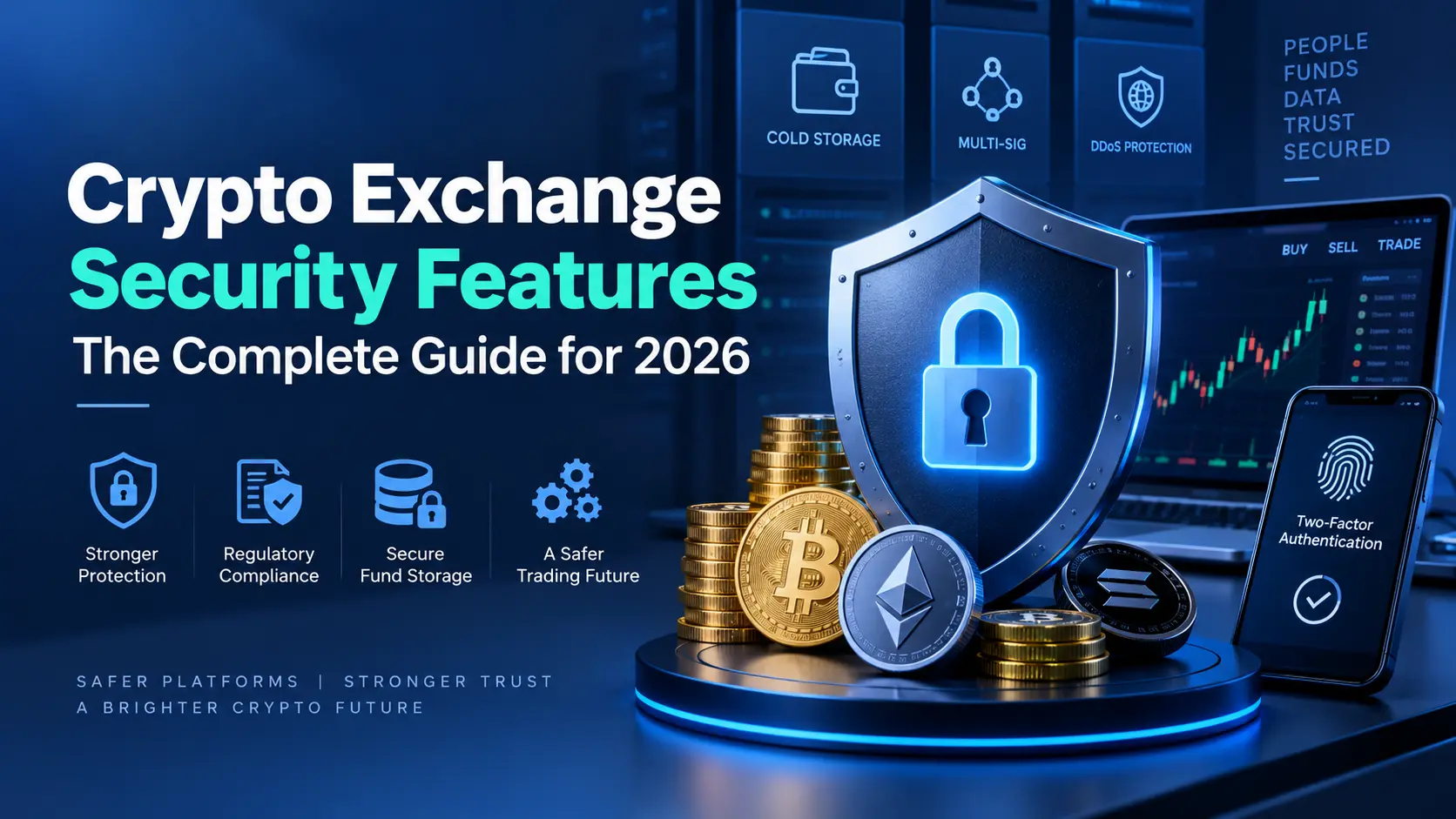
Security is where most founders get burned. Everything looks fine until something breaks. I’ve seen exchanges lose funds overnight because basic protections were missing. A serious crypto exchange development company treats security as a top priority, not an add-on.
Core Security Features
Start with the basics. Every exchange must have strong protection in place.
Look for:
- Two-factor authentication (2FA) for users
- Cold wallet storage for most funds
- End-to-end encryption for data
- Anti-DDoS protection
- Secure admin access controls
If any of these are missing, that’s a red flag. These aren’t advanced features. They’re the minimum for secure crypto exchange development.
Also ask how they handle private keys. Poor key management is one of the biggest risks. A good team will have strict policies and systems in place.
Compliance Standards
Security isn’t just technical. It also includes legal compliance.
Check if they support:
- KYC (Know Your Customer)
- AML (Anti-Money Laundering)
- GDPR or data protection laws
Regulations are getting stricter every year. If your platform doesn’t follow them, you could face fines or shutdowns.
A reliable crypto exchange development company will guide you through compliance, not leave you guessing.
Penetration Testing
Ask if they perform regular security testing. This is where ethical hackers try to break the system before real attackers do.
Good teams run:
- Penetration tests
- Vulnerability scans
- Smart contract audits
I’ve seen companies skip this step to save time. Later, they pay a heavy price. Testing helps catch issues early, before users are affected.
Security Checklist Table
Here’s a simple way to review any team:
| Feature | Required | Why it matters |
|---|---|---|
| 2FA | Yes | Protects user accounts |
| Cold Wallets | Yes | Keeps funds safe offline |
| Encryption | Yes | Secures sensitive data |
| DDoS Protection | Yes | Prevents downtime |
| Security Audits | Yes | Finds hidden risks |
If a team can’t clearly explain these, don’t move forward. Strong crypto exchange security features are non-negotiable.
Transparency, Communication, and Support
This part gets ignored a lot. But it’s where most projects fail. I’ve seen great developers build solid systems, then lose clients due to poor communication. If your crypto exchange development company doesn’t stay clear and responsive, things will go off track fast.
Communication Process
Ask how they handle updates. Do they share weekly progress? Do they explain what’s done and what’s next?
You don’t want to chase them for answers. A good team keeps you in the loop without you asking.
Clear communication also helps avoid mistakes. If something changes, you should know early. Not at the end when fixing it gets expensive.
Simple rule-if they’re slow to respond before signing, it gets worse later.
Project Management Tools
Professional teams use proper tools. Ask if they use platforms like Jira, Trello, or Slack.
These tools help track tasks, bugs, and timelines. You can see progress in real time. No guessing.
Without a system, things get messy. Tasks slip. Deadlines move. And you’re left wondering what’s happening.
Reliable and trustworthy crypto exchange developers always follow a structured workflow.
Post-Launch Support
Launch is just the beginning. Your platform will need updates, fixes, and improvements.
Ask what happens after delivery:
- Do they offer maintenance plans?
- How fast do they fix bugs?
- Will they help with upgrades?
I’ve seen teams disappear after launch. That’s a nightmare.
A good crypto exchange development company stays with you long-term. They help you grow, fix issues fast, and keep your platform running smoothly.
Pricing Model and Hidden Costs
Pricing can be tricky. I’ve seen founders pick the cheapest option, then regret it later. What looks affordable upfront often becomes expensive over time. A smart crypto exchange development company will be clear about costs from day one.
Fixed vs Custom Pricing
Some companies offer fixed pricing. This works if your requirements are simple and clear.
Custom pricing is more flexible. It fits better if you want advanced features or plan to scale.
Ask what’s included in the price. Many teams quote low but exclude key features. Later, they charge extra.
A good team will break down costs clearly. No confusion. No surprises.
White Label vs Custom Development
You’ll often hear about white-label crypto exchange development. It’s faster and cheaper. You get a ready-made platform with basic features.
Custom crypto exchange development takes more time and money. But you get full control and flexibility.
Here’s the simple difference:
- White label: quick launch, limited customization
- Custom: slower, but fully scalable
There’s no one right choice. It depends on your goals and budget.
Hidden Costs to Watch
This is where many people get caught off guard.
Watch for:
- Maintenance fees
- Server and hosting costs
- Third-party integrations
- Security upgrades
- Licensing fees
I’ve seen projects go over budget because these weren’t discussed early.
Always ask for a full cost breakdown. A trustworthy crypto exchange development company will be open about every expense. If they avoid details, that’s a warning sign.
Also read – Custom Software Development
Latest Trends in Crypto Exchange Development
Things are moving fast in crypto. What worked last year may not work now. I’ve seen founders build platforms that felt outdated even before launch. That’s why your crypto exchange development company should stay ahead of trends, not follow them late.
AI Integration
AI is becoming a big part of crypto trading platforms. It helps detect fraud, track unusual activity, and manage risks in real time.
For example, AI can flag suspicious trades before damage happens. It can also improve user experience with smart dashboards and insights.
If your platform ignores AI, you’re already behind. Modern crypto trading platform development is starting to depend on it.
Regulatory Changes
Regulations are getting stricter across the globe. Governments want more control and transparency in crypto.
This means your platform must support proper KYC and AML systems from day one. You also need to stay updated with regional laws if you target multiple countries.
A good crypto exchange development company will guide you here. They won’t treat compliance as an afterthought.
Multi-Chain Support
Users don’t want to stay on one blockchain anymore. They want flexibility.
Multi-chain support allows trading across different networks like Ethereum, BNB Chain, and others. It improves user reach and platform growth.
But it’s not easy to build. It needs strong backend systems and smart integrations.
Scalable crypto exchange solutions now focus on cross-chain compatibility. If your platform can’t support this, growth will be limited.
Also read –
Conclusion
Choosing the right crypto exchange development company can make or break your project. I’ve seen great ideas fail just because the wrong team was hired. And I’ve also seen simple ideas succeed with the right support.
If you remember one thing, let it be this: Don’t rush the decision. Check their portfolio. Ask about security. Understand pricing. Look for clear communication. And never ignore red flags.
A strong team will guide you, not confuse you. They’ll think long-term and help you scale without constant issues. That’s what you need if you want to build a serious platform.
Take your time. Ask the right questions. Compare your options.
And if you want a second opinion before you decide, go for a free consultation. It could save you from costly mistakes and help you move forward with confidence.
FAQs
Start with their portfolio. Check live projects, not just demos. Then review their security approach, tech skills, and communication style. A good crypto exchange development company will explain things clearly and won’t hide details. Always ask questions before signing anything.
Costs vary a lot. A basic white-label solution can be affordable, while custom builds can get expensive. It depends on features, security level, and scalability. I’ve seen projects range from a few thousand to six figures. Always ask for a full cost breakdown.
It depends on complexity. A simple white-label exchange can take a few weeks. A custom platform may take 3 to 6 months or more. Rushing this process usually leads to problems later, so don’t push for unrealistic timelines.
Yes, if you want a fast and budget-friendly launch. But it comes with limits. Custom development gives you more control and flexibility. Choose based on your goals, not just cost.



 Contact Us
Leave a Reply