


 Some may try to act like WrathCode, but there’s only one real us — the one that builds the future of tech.
| Always verify before you trust — fraudsters can fake names, not authenticity.
Some may try to act like WrathCode, but there’s only one real us — the one that builds the future of tech.
| Always verify before you trust — fraudsters can fake names, not authenticity.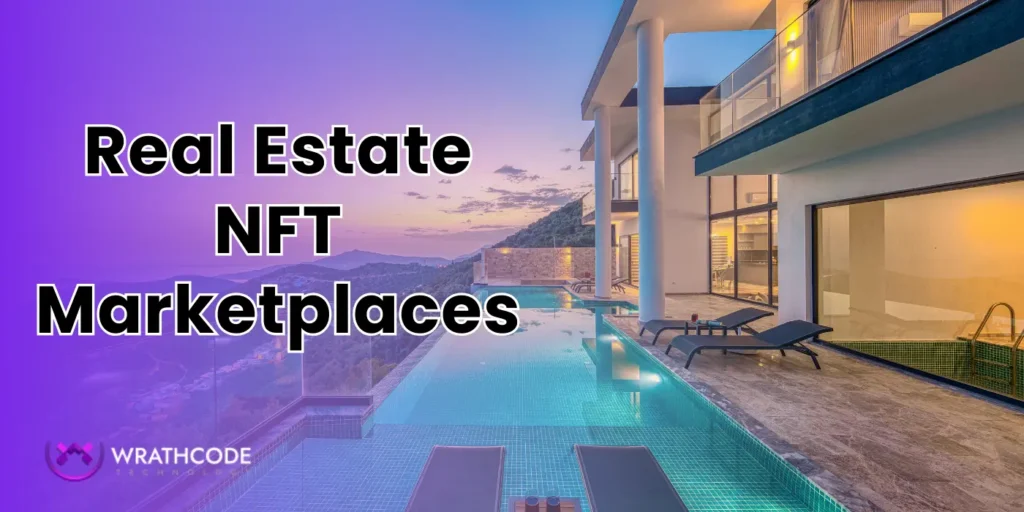
Real estate is a $300+ trillion market. Bigger than stocks. Bigger than gold. Now, imagine even a small slice of that moving onto blockchain. That’s what’s happening right now.
Analysts expect tokenized real estate to cross $30–50 billion by 2030. And we’re still early. Smart founders see the shift. Investors do too.
NFT-based ownership cuts out middlemen. No endless paperwork. No slow title transfers. Smart contracts handle ownership rules automatically. That’s just code that runs on its own once conditions are met. Clean. Transparent. Fast.
Startups across the US, UK, and India are building global property platforms. Some focus on luxury homes. Others offer rental income shares. A few mix metaverse land with real-world assets. Different models. Same idea. Put the property on-chain.
Here’s the kicker. Investors don’t always want to buy an entire building. They want fractional access. Maybe $100. Maybe $1,000. Tokenization makes that possible. And demand keeps growing.
If you’re a real estate developer, PropTech founder, or crypto entrepreneur, this space isn’t just interesting. It’s a business opportunity. Real estate NFT marketplace development is no longer experimental. It’s practical. Scalable. Profitable when done right.
Here, you’ll see the top Real Estate NFT Marketplaces leading in 2026. More importantly, you’ll learn what makes them succeed.
What Are Real Estate NFT Marketplaces?
A real estate NFT marketplace is a platform where property ownership is turned into digital tokens on a blockchain. Those tokens are NFTs. Each one represents a share, or sometimes full ownership, of a property.
Think of it like this. Instead of signing a stack of papers at a lawyer’s office, ownership lives on-chain. A smart contract handles the rules. Once conditions are met, the transfer happens automatically. No chasing agents. No endless back and forth.
Here’s how it usually works:
- A property gets legally structured for tokenization.
- Ownership is divided into digital tokens.
- Investors buy those tokens through the platform.
- Rental income or resale profits get distributed by code.
That’s the backbone of real estate tokenization platform development.
Some marketplaces focus on physical homes and commercial buildings. Others sell virtual land in metaverse platforms. A few mix both. Different flavors, same core engine.
List of Real Estate NFT Marketplace Companies
Before you build anything in NFT, study what’s already working. Saves time. Saves money. And trust me, it avoids painful mistakes. Below are nine platforms shaping this space in 2026. Each one teaches a lesson if you’re planning real estate NFT marketplace development.
| Platform | Asset Type | Blockchain | Revenue Model | Liquidity Level | Best For |
|---|---|---|---|---|---|
| Propy | Physical Property | Ethereum | Transaction Fees | Medium | Full property sales |
| RealT | Fractional Homes | Ethereum/Gnosis | Rental Yield Fees | Medium | Passive income investors |
| Upland | Virtual Property | EOS | Token Economy | High | Gamified trading |
| Decentraland | Metaverse Land | Ethereum | Land Sales + Royalties | High | Virtual builders |
| The Sandbox | Gaming Land | Ethereum | NFT Sales + Partnerships | High | Brand experiences |
| Earth 2 | Virtual Tiles | Private Chain | Land Trading Spread | Low-Medium | Speculators |
| Lofty | Fractional Rentals | Algorand | Rental Management Fees | Medium | Small investors |
| Blocksquare | Tokenization Infra | Ethereum | SaaS / API Fees | Medium | B2B property firms |
| Landshare | Property + DeFi | BSC | Staking + Property Yield | Medium | DeFi-focused users |
1. Propy
Propy is one of the first platforms to push real homes onto blockchain rails. It allows buyers to purchase physical property where ownership is recorded as an NFT. In past deals, entire houses were sold through on-chain transfers. That grabbed global attention.
What makes Propy strong is its legal-first approach. They don’t just mint a token and hope for the best. The property gets structured through compliant entities. Smart contracts handle the transfer logic. KYC and identity checks are part of the flow. For anyone serious about real estate NFT marketplace development, this is a big lesson. Code must align with property law.
Revenue comes from transaction fees and premium services. Their model works best in markets with clear regulations like parts of the US. If you’re planning to build something similar, you’ll need legal wrappers, escrow automation, and audit-ready smart contracts from day one.
2. RealT
RealT focuses on fractional rental properties. Investors can buy small shares of US homes and receive rental income in stablecoins. Entry costs are low, which makes it attractive to global investors who don’t have six figures lying around.
Their strength is automation. Rental income gets distributed through smart contracts. Investors track performance inside a dashboard. Everything feels transparent. That builds trust, especially for first-time crypto investors.
From a development angle, fractional ownership requires a different token structure. You need compliance-aware tokens, income distribution logic, and investor management tools. Real estate tokenization platform development isn’t just about minting NFTs. It’s about managing ongoing yield safely and clearly.
3. Upland
Upland takes a different route. It’s a gamified virtual property marketplace mapped to real-world locations. Users buy, sell, and trade digital properties inside a metaverse-style economy.
Liquidity is higher here because activity feels like a game. Daily trading volume comes from user engagement, not just long-term investors. That’s smart design. Active communities drive platform growth.
For founders, the key takeaway is token economy design. A strong internal currency, reward loops, and marketplace mechanics matter just as much as blockchain choice. If you’re building a hybrid gaming-property model, your NFT real estate platform development company must understand both Web3 and user psychology.
4. Decentraland
Decentraland is one of the best-known virtual land ecosystems. Users buy parcels of digital land as NFTs and build experiences on them. Brands have hosted events there. Creators monetize spaces.
Its success comes from community governance. LAND holders participate in decision-making through a DAO. That creates ownership beyond just assets. People feel involved.
Technically, this model requires NFT minting, land mapping logic, marketplace infrastructure, and governance smart contracts. If you’re targeting metaverse-based property platforms, scalability and gas optimization become critical. High fees can scare off smaller buyers.
5. The Sandbox
The Sandbox blends gaming, NFTs, and virtual real estate. Landowners can build interactive experiences and monetize them. Big brands entered early, which boosted credibility.
Their edge lies in creator tools. Users can design assets and deploy them onto owned land. That increases platform stickiness. People don’t just buy land. They build on it.
For developers, this means asset minting engines, marketplace layers, and possibly Layer 2 integrations to reduce costs. Real estate NFT marketplace development at this scale requires careful infrastructure planning.
6. Earth 2
Earth 2 markets itself as a digital twin of the planet. Users purchase virtual land tiles mapped to real-world geography. Prices fluctuate based on demand and location popularity.
Speculation drives much of its activity. Early adopters bought prime locations hoping for appreciation. That model works short term, but liquidity systems must be solid for long-term stability.
If you’re building a geo-mapped NFT platform, you’ll need strong backend architecture. Map APIs, pricing algorithms, and NFT minting logic must sync cleanly. Scalability planning is critical when thousands of users buy at once.
7. Lofty
Lofty focuses on fractional real estate with near-daily rental payouts. Built on fast, low-fee blockchain infrastructure, it aims to reduce friction for small investors.
One standout feature is its simplified onboarding. Investors can browse properties, see projected returns, and buy shares quickly. Income tracking is clear. No confusing dashboards.
From a development standpoint, automation is everything. Rental collection, distribution logic, investor records, and compliance layers must work without manual intervention. That’s where experienced blockchain architecture makes the difference.
8. Blocksquare
Blocksquare operates more as infrastructure than a retail marketplace. It provides tokenization tools for real estate businesses that want to digitize assets.
Their API-based system allows property owners to issue tokens backed by real estate. This B2B model is smart. Instead of chasing retail investors, they empower businesses.
If you’re planning to launch a white-label real estate NFT marketplace, this model shows another path. Focus on infrastructure. Offer token issuance tools. Add exchange integration later.
9. Landshare
Landshare mixes DeFi mechanics with property-backed assets. Users can stake tokens, farm yields, and invest in tokenized real estate.
This hybrid model increases capital efficiency. Investors don’t just hold property tokens. They can earn additional rewards through DeFi features.
Combining DeFi with real-world assets increases complexity. Smart contracts must be audited. Liquidity pools must be managed carefully. Security can’t be an afterthought. Building this type of platform requires deep expertise in both real estate tokenization and decentralized finance architecture.
Conclusion
Real estate and blockchain are no longer strangers. They’re shaking hands and signing deals.
A $300+ trillion property market is slowly blending with tokenization. Fractional access is opening doors for global investors. Smart contracts are replacing slow paperwork. And platforms like the ones we covered prove demand is real.
If you want to invest in an NFT Marketplace, then you can contact us, We have delivered 300+ projects of NFT marketplaces like Real estate NFT Marketplaces, NFT Music Marketplace, NFT Sports Marketplace, NFT Auction Platform and NFT Aggregator Marketplace.

 Contact Us
Leave a Reply